
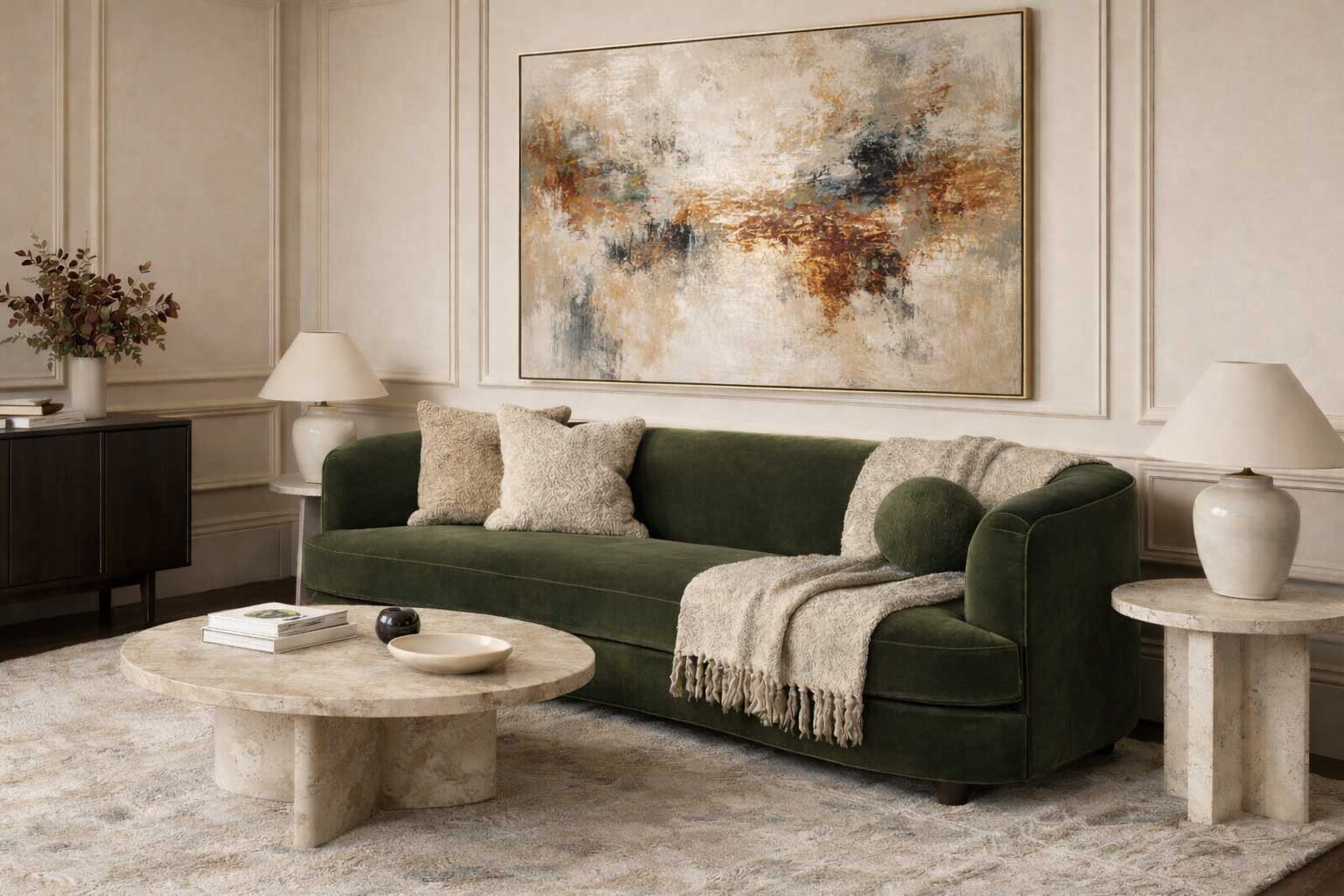
Older homes often possess architectural charm that modern properties rarely replicate. Features such as original fireplaces, decorative cornicing, high ceilings, and traditional sash windows give these properties a timeless appeal. However, many older houses were built for lifestyles that were very different from today, often with smaller rooms and more compartmentalised layouts.
Thoughtful structural changes can transform these homes into functional, light-filled spaces while preserving their historic character. For homeowners considering a major renovation, understanding how much luxury interior design costs in the UK can also help set realistic expectations for planning and budgeting a high-quality project.
Opening Up Internal Spaces
One of the most impactful structural changes in older homes is removing internal walls to create open-plan living spaces. Traditional properties often separated kitchens, dining rooms, and living areas into individual rooms.
Modern lifestyles tend to favour connected spaces that allow families to cook, dine, and relax together in a more social environment.
Structural alterations may include:
- Removing load-bearing walls between kitchen and dining areas
- Combining kitchen, dining, and living rooms into one open space
- Introducing steel beams to support upper floors
- Improving sightlines across the home
These transformations can dramatically improve how the property flows and functions while maintaining its architectural integrity.
Kitchen Extensions for Period Homes
In many older homes, the kitchen was traditionally located at the back of the house and often designed as a small utility space rather than a central living area. Today, the kitchen is typically the heart of the home, used for entertaining, dining, and everyday family life.
Rear extensions are one of the most popular structural upgrades for period homes. These extensions create larger kitchens that connect directly to gardens or outdoor spaces.
Common features of modern kitchen extensions include:
- Large kitchen islands
- Open dining areas
- Sliding or bifold doors
- Roof lanterns or skylights
These improvements increase both the functionality and value of the property while bringing in significantly more natural light.
Improving Natural Light
Older homes can sometimes feel darker due to smaller windows and deeper floor plans. Structural improvements can dramatically increase natural light and make interiors feel more spacious.
Popular design solutions include:
- Installing skylights or roof lights
- Adding roof lanterns in extensions
- Enlarging existing window openings
- Installing large glass doors to connect indoor and outdoor spaces
Increasing natural light not only enhances the aesthetics of the home but also improves the overall atmosphere and comfort of the space.
Reconfiguring the Interior Layout
Not every structural transformation requires a large extension. In many cases, carefully reconfiguring the layout of the existing space can significantly improve functionality.
Examples of layout improvements include:
- Relocating the kitchen to a larger room
- Creating ensuite bathrooms for bedrooms
- Combining smaller bedrooms to create a master suite
- Adding dressing rooms or walk-in wardrobes
Planning these changes early in the project is essential. Homeowners often benefit from understanding when to hire an interior designer for a full home renovation, as early design planning can help coordinate layout changes, structural work, and interior design in a cohesive way.
Loft Conversions and Additional Living Space
Many older homes have unused attic space that can be converted into valuable additional living areas. Loft conversions are a popular way to add bedrooms, offices, or guest suites without extending the footprint of the property.
A well-designed loft conversion may include:
- Dormer windows for additional headroom
- Skylights for natural light
- Built-in storage solutions
- Ensuite bathrooms
This type of structural upgrade maximises the potential of the home while significantly increasing its overall value.
Preserving the Character of Period Properties
When renovating older homes, it is important to retain the features that give the property its character and historical charm. Successful renovations balance modern design with traditional architectural elements.
Common features worth preserving include:
- Original fireplaces
- Decorative mouldings and cornicing
- Timber flooring
- Traditional windows and doors
Homeowners renovating historic houses can explore further ideas in our guide to renovating period homes in Windsor, which highlights how thoughtful interior design can enhance the beauty of traditional architecture.
Transforming Older Homes for Modern Living
Structural changes can completely transform how older homes function. By opening up spaces, improving natural light, and rethinking traditional layouts, homeowners can enjoy modern comfort while preserving the architectural beauty of the property.
When carefully planned and professionally executed, structural renovations create homes that combine historic character with contemporary living — offering both timeless style and long-term value. Working with experienced luxury interior design specialists can help ensure structural changes are thoughtfully integrated into the overall design of the home. If you are planning a renovation or extension, contact our team to discuss your project.