
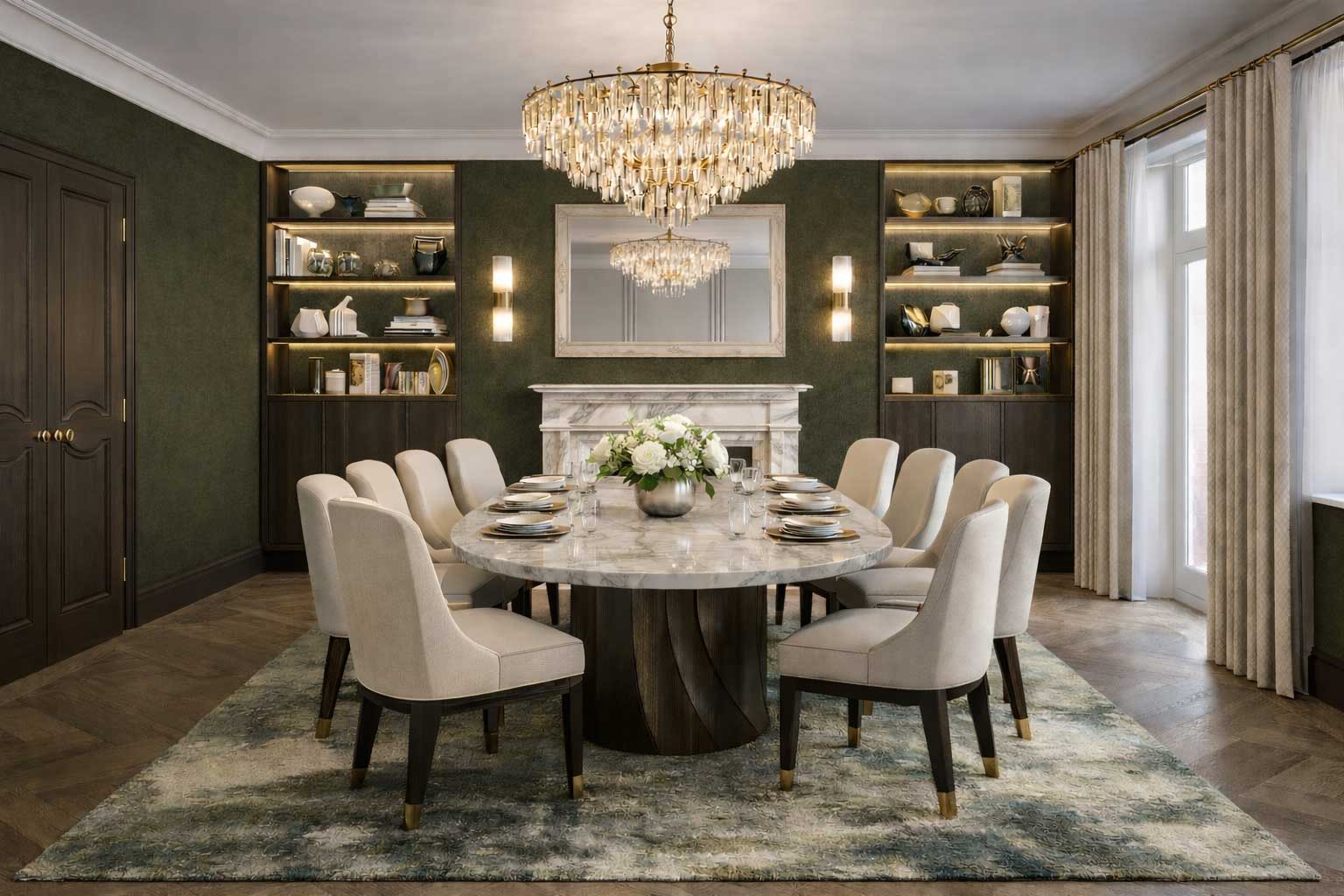
Period homes are admired for their craftsmanship, elegant proportions and architectural detail. From Victorian terraces to Edwardian family houses, these properties offer a character and sense of permanence rarely found in contemporary construction. However, their original layouts were designed for a very different way of living.
Traditional floor plans often divide kitchens, dining rooms and sitting rooms into separate spaces. While these layouts reflect the social customs of the time, modern lifestyles tend to favour more connected living environments. Open-plan layouts allow spaces to flow naturally, encouraging interaction, improving natural light and creating a more adaptable home.
Designing open-plan living spaces within period homes requires careful planning. The goal is not simply to remove walls, but to reinterpret the structure of the home in a way that respects its architectural character. For homeowners considering significant layout changes, our guide to planning a luxury home renovation explores the early design decisions that shape successful projects.
Understanding the Original Layout
Period homes were typically designed with a clear hierarchy of rooms. Formal spaces such as the dining room and drawing room were separated from service areas like kitchens and sculleries. Circulation between these rooms was often carefully controlled through corridors and doorways.
While these arrangements provided structure and privacy, they can feel restrictive by contemporary standards. Families today often prefer living environments where cooking, dining and socialising take place within connected spaces.
Before introducing structural changes, it is essential to understand the architectural logic of the property. Our article on renovating a period property explores how design-led renovations can preserve the character of historic homes while adapting them to modern lifestyles.
Structural Considerations
Creating open-plan living in a period property almost always involves structural interventions. Load-bearing walls may need to be removed, reinforced or partially opened to create larger, more connected spaces.
These changes require careful engineering and thoughtful design to ensure that the architectural balance of the home is maintained. Structural beams, columns or discreet supports are often introduced to preserve stability while allowing the new layout to function seamlessly.
Our guide to structural changes that transform older homes explores how carefully planned architectural modifications can dramatically improve the functionality of traditional properties without compromising their character.
Connecting Kitchens and Living Spaces
One of the most common transformations in period homes is the integration of the kitchen with surrounding living areas. Historically, kitchens were located at the back of the house and separated from entertaining spaces.
Modern renovation projects often reconfigure these areas to create open kitchens that connect naturally with dining and living rooms. This approach allows the kitchen to become the central hub of the home while still respecting the architectural language of the property.
In many cases, these changes are combined with extensions that introduce additional space and natural light. Our guide to kitchen extensions for period homes explores how carefully designed additions can enhance traditional properties while maintaining their architectural harmony.
Preserving Architectural Character
While open-plan living introduces a more contemporary way of using space, preserving the architectural character of the property remains essential. Period homes often contain distinctive features such as fireplaces, cornicing and original joinery that contribute significantly to their identity.
Rather than removing these elements, thoughtful design incorporates them into the new layout. Fireplaces can anchor living areas, while restored mouldings and wall panelling help retain a sense of structure within larger spaces.
Our article on bespoke joinery in luxury interior design explores how custom cabinetry and architectural detailing can help define open spaces while reinforcing the character of the home.
Introducing Light and Spatial Flow
Open-plan layouts also provide an opportunity to improve the way natural light moves through the property. Removing internal barriers allows daylight to travel more freely between rooms, creating brighter and more welcoming interiors.
Large openings between spaces, glazed doors and carefully positioned windows can transform the atmosphere of a period home. These interventions help maintain the elegance of the architecture while enhancing the quality of the interior environment.
When combined with thoughtful material selection and lighting design, these changes can dramatically elevate the overall experience of the home.
A Design-Led Approach to Open-Plan Living
Open-plan living in period homes is most successful when approached as part of a broader design strategy. Structural alterations, architectural detailing and interior design should be considered together to ensure that the final result feels cohesive and balanced.
At Kings Interiors Ltd, our renovation projects focus on preserving the architectural heritage of historic properties while introducing refined contemporary living environments. By approaching each project with careful design planning, period homes can evolve into spaces that feel both timeless and modern.
Homeowners considering layout changes or renovation projects may wish to explore our luxury renovation interior design services or contact our team to discuss your project.