The Kings Interiors Journal
A considered approach to a complete home.
For homeowners planning a luxury new build, the many decisions involved in creating an interior can quickly become complex. Turnkey interior design brings these decisions together within one coherent vision.
From concept development and specification to furniture procurement, installation and final styling, the service coordinates the interior elements of a project within an agreed scope. Kings Interiors works with private residential clients across Berkshire, Buckinghamshire, Oxfordshire and the wider South of England, collaborating with the wider project team where required.
The scope
What Does Turnkey Interior Design Include?
The starting point is a considered understanding of the architecture, the rooms and the way the home will be lived in. Concept development and spatial planning establish the foundations of the interior scheme before individual finishes or furnishings are selected.
Lighting and electrical coordination, bespoke joinery, material specification and furniture selection are then developed as connected parts of the same design.
Depending on the commission, the scope may also include sourcing fixtures, furniture and equipment, procurement, supplier coordination, installation oversight and final styling. Rather than treating each element separately, this approach allows the interior to develop with consistency from the earliest design decisions through to completion.
The coordination
Why Turnkey Is Essential for Luxury New Builds
Luxury new-build homes involve close collaboration between architects, contractors, electricians, joiners and specialist suppliers. Interior decisions influence more than appearance: lighting positions, joinery dimensions and material junctions can affect how a space functions long after construction is complete.
Without careful coordination, delivery delays, inconsistent finishes or late changes to technical details can compromise the intended result.
Kings Interiors works alongside the relevant project professionals to align interior design decisions with the architectural programme and the agreed design brief.
The timing
When Should an Interior Designer Be Appointed?
Ideally, interior design should be considered while architectural plans are still being developed, rather than once construction is approaching completion.
Early conversations allow room layouts, furniture arrangements, lighting requirements and bespoke joinery to be explored before critical technical decisions are fixed.
For private clients, early involvement can reduce avoidable revisions and give greater clarity to the relationship between the building and its interiors.
The right point of appointment will depend on the stage, scale and requirements of each project.
The design vision
A Cohesive Design Vision
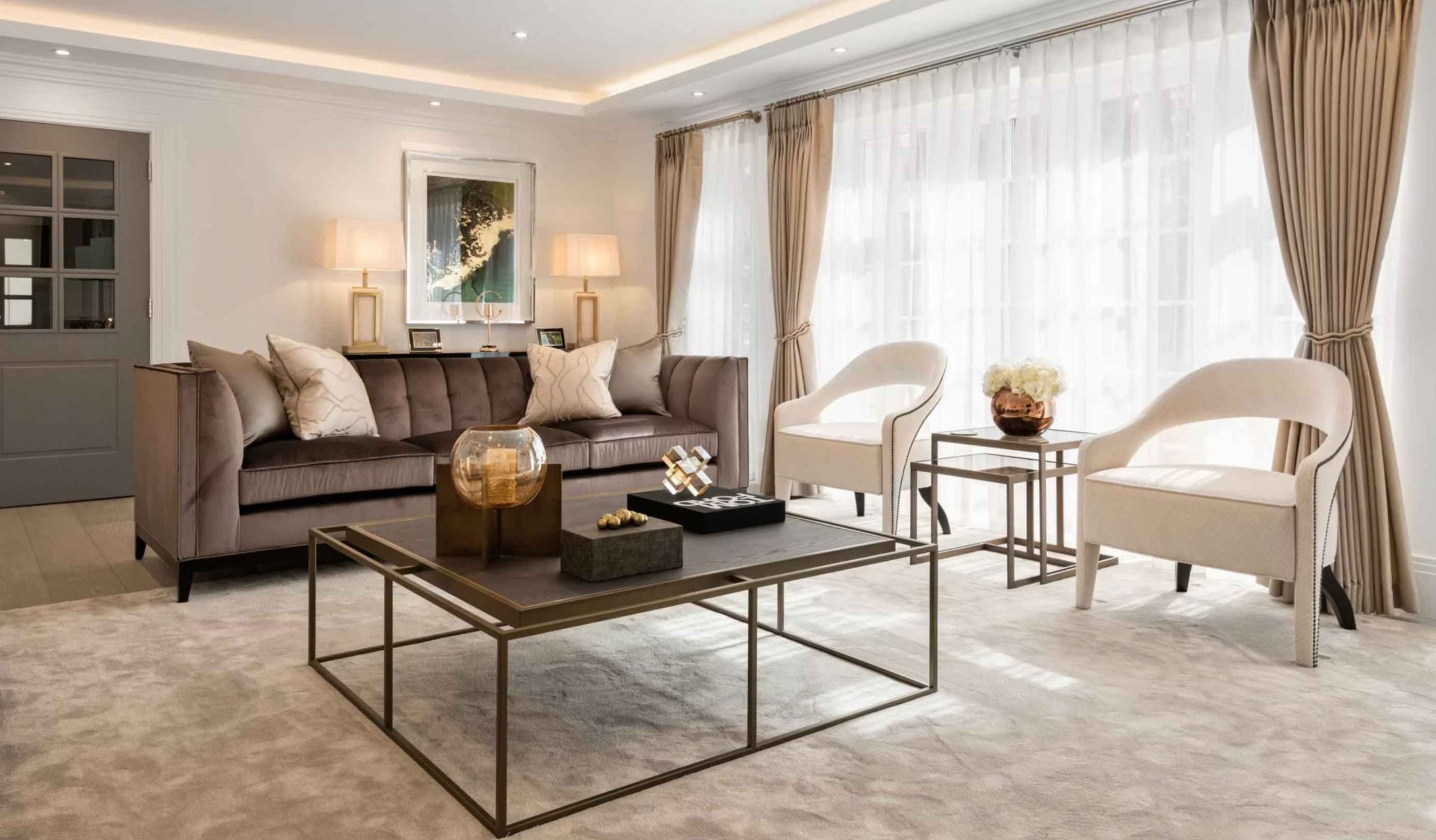
One of the defining advantages of a coordinated interior design approach is cohesion. Stone, timber, textiles, joinery and lighting are considered in relation to the character of the home, rather than selected as isolated features.
Consistent material palettes, balanced spatial flow and thoughtful transitions between rooms allow individual spaces to have their own identity while belonging to a larger whole.
The aim is an interior that feels natural, resolved and enduring.
The delivery
Procurement and Supplier Management
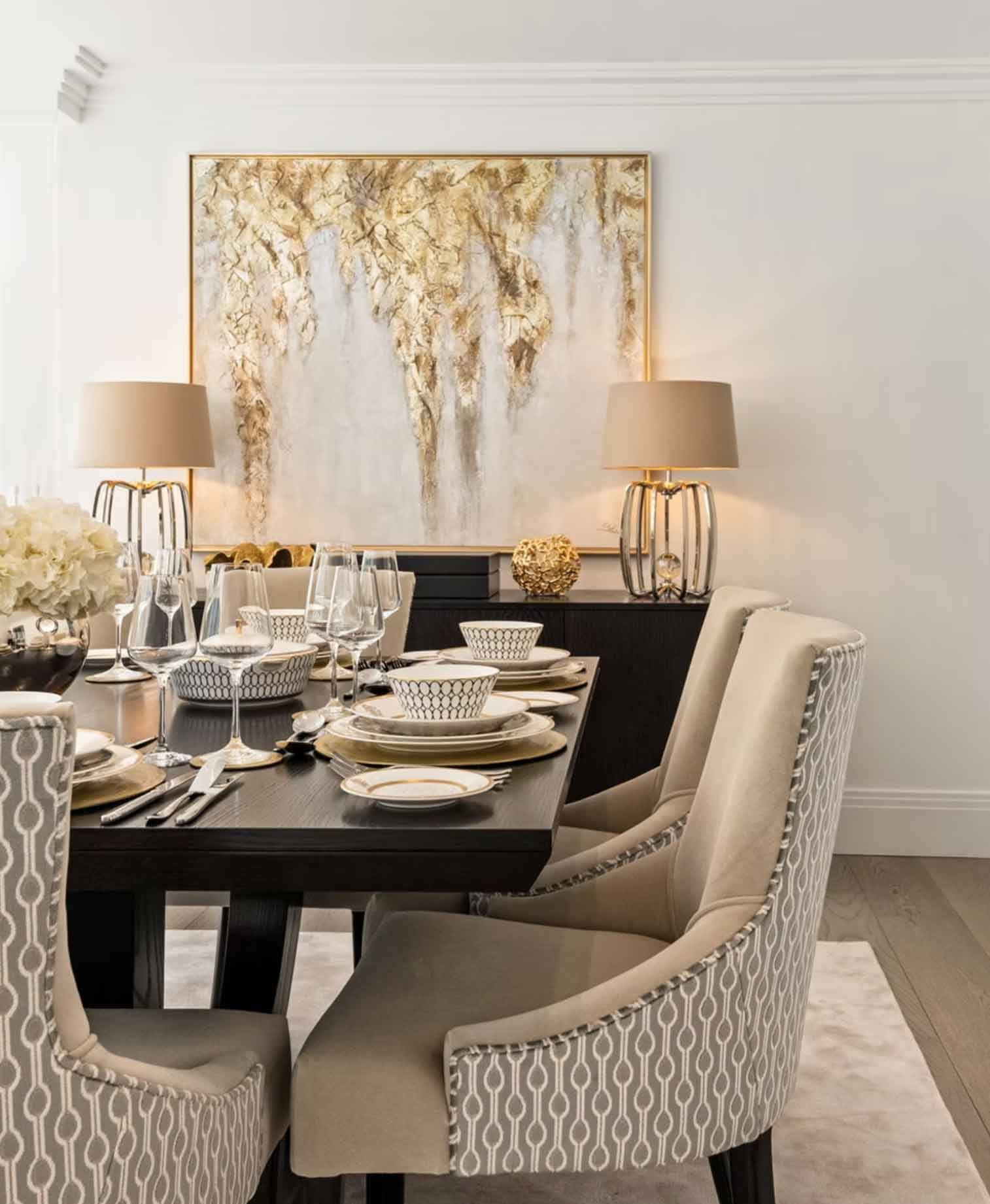
High-end residential interiors often involve bespoke furniture, cabinetry, specialist lighting and materials with individual production and delivery schedules.
Procurement is therefore an important part of maintaining the integrity of a design. Quality checks, supplier communication, delivery coordination and installation scheduling are considered within the agreed service.
This helps the specified elements come together with the necessary attention to detail as the project progresses towards completion.
Materials & Detail
Considered in Every Element.
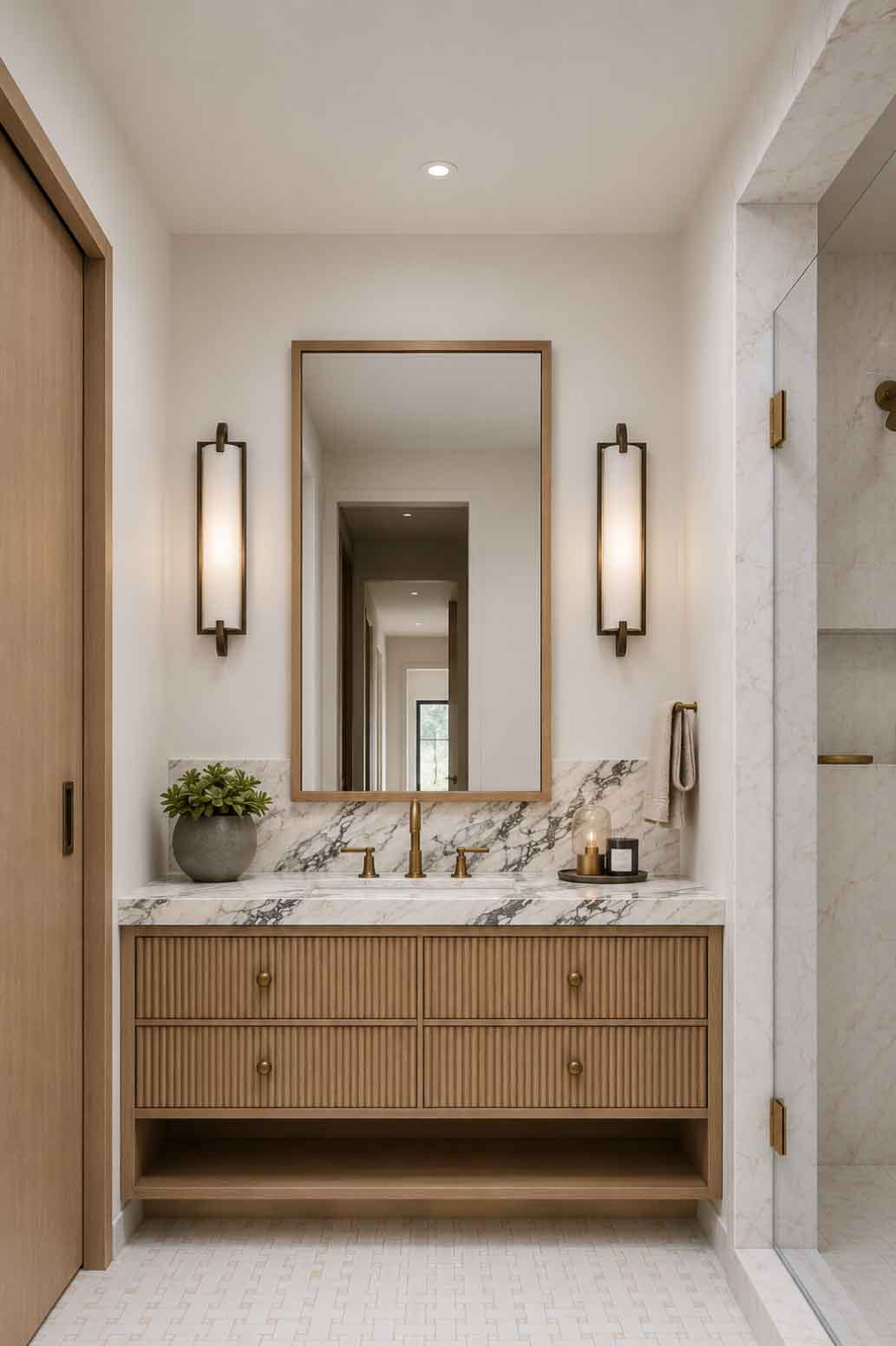
The relationship between natural stone, warm timber, refined metal finishes and bespoke joinery is fundamental to a cohesive interior.
Each material is selected not only for its individual beauty, but for how it contributes to the architecture, atmosphere and everyday experience of the home.
The collaboration
The Value of Single-Point Responsibility
When several specialists contribute to an interior, clear communication becomes essential.
A coordinated turnkey service provides one central design contact for matters within the interior design commission, helping the client understand how decisions relate to the overall scheme.
This does not replace the contractual responsibilities of the architect, contractor or other consultants. Instead, it gives the interior design process continuity and a consistent point of reference, from early discussions to the final furnishing stages.
The experience
A Refined, Stress-Free Process
A luxury new build represents a significant personal investment. A structured interior design process can make that journey more manageable, bringing order to complex decisions and reducing the need for clients to coordinate every interior detail independently.
At Kings Interiors, the aim is to create refined homes with care, clarity and attention to how their owners will live.
For further detail on our approach to substantial new builds and residential renovations, explore our full-service interior design offering.
A completed commission
Turnkey Furnishing in Practice
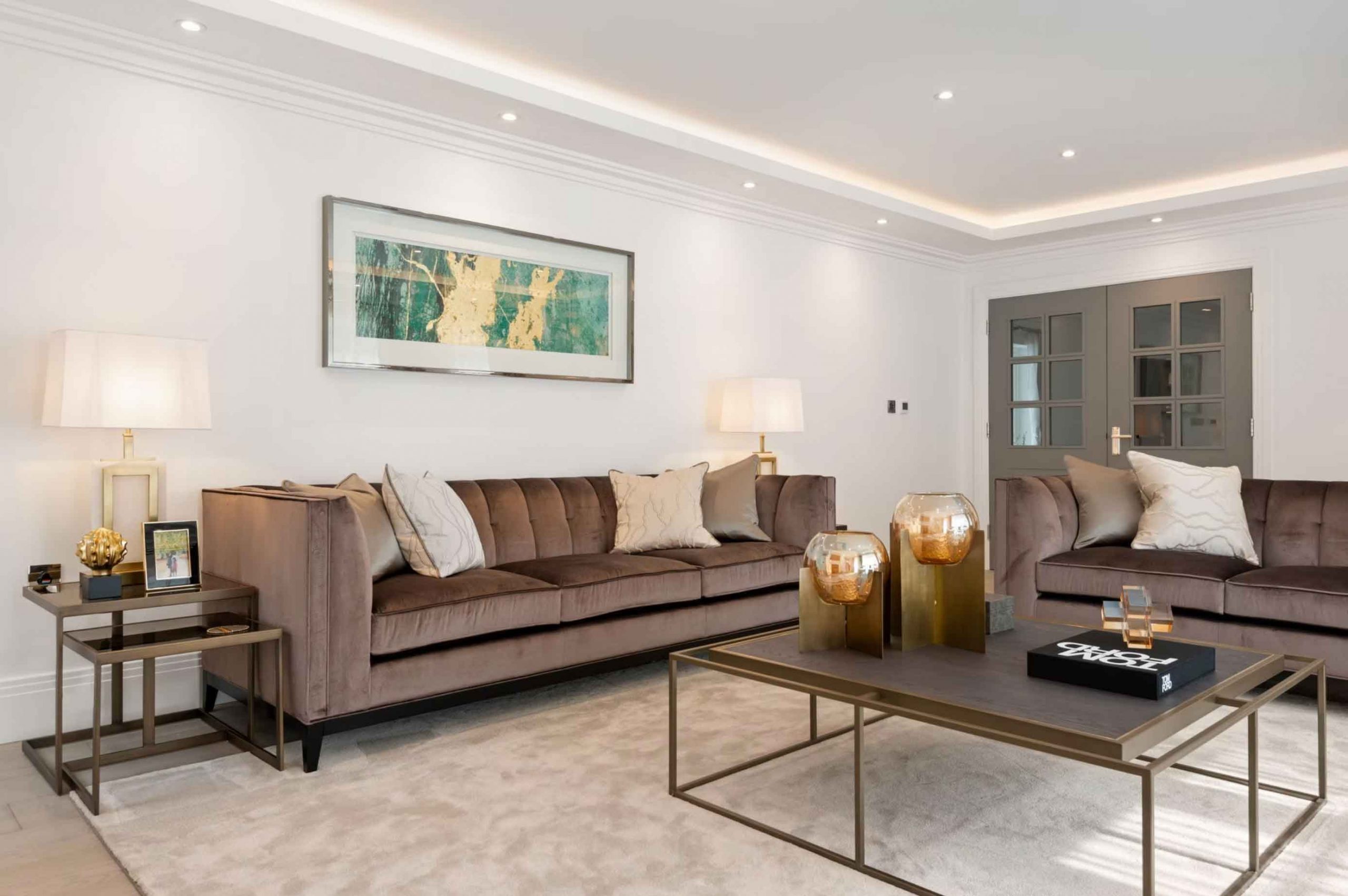
Our Enborne project in West Berkshire shows how a turnkey approach can also apply to furnishing an already completed home. With the owners based in New Zealand, Kings Interiors managed the furnishing scheme, specification, procurement, delivery coordination, installation and final styling.
From furniture and lighting to textiles and the finishing accessories, the residence was equipped and prepared for use without the owners needing to oversee the process in person. This was a complete furnishing commission, rather than a structural renovation.