Residential renovation / The designer’s contribution
Decisions That Make a House Feel Like Your Home.
The contribution of an interior designer becomes clear in the decisions that connect a renovation to everyday life: where you sit, how you move through the rooms and what you need within reach.
A substantial project brings many individual choices into play. Without a shared direction, each may appear reasonable in isolation while the rooms feel unresolved when brought together.
Interior design gives those choices a relationship to your brief, your possessions and the character of the property. Its value lies in the suitability of the finished home and the information used to achieve it.
01 / Translating how you live
Turning Your Priorities Into a Design Brief
Homeowners often begin with a collection of ideas and a sense that the house could work better. The designer’s first contribution is to understand what those ambitions mean in practical terms.
A request for a welcoming kitchen may involve somewhere for guests to sit without interrupting preparation. A calmer bedroom may depend as much on storage and lighting as its colour palette.
These conversations help distinguish preferences from requirements. They also bring quieter priorities into view, such as accommodating a collection, retaining a favourite chair or making guest rooms easier to use.
The resulting brief provides a reference for evaluating proposals throughout the commission.
02 / Looking beyond an empty plan
Testing How the Rooms Will Work
Furniture layouts reveal how proposed spaces will be occupied. They help test seating arrangements, circulation and the usable space around doors and windows.
In a dining room, the question is more than whether a table fits. Chairs need room to move, serving furniture needs a position and people should be able to pass comfortably behind those seated.
In a bedroom, the chosen bed, bedside furniture and dressing requirements can inform the placement of lighting, sockets and fitted storage.
Bringing this information into the wider design discussion allows the team to assess proposals against the way the rooms will actually be used.
03 / Making decisions understandable
Giving the Team Clear Interior Information
An idea needs to become information that can be reviewed, priced and implemented. Within the agreed appointment, the designer develops the drawings, schedules and specifications relevant to the interior.
For example, a fitted cabinet may need to accommodate particular possessions, equipment and access requirements. Communicating those needs allows the maker and relevant specialists to develop their work around an understood brief.
Clear records also distinguish approved selections from ideas still under consideration. This gives the client and project team a common reference when questions arise.
The extent of this information and its coordination with other disciplines should be established in the proposal.
04 / Judgement and specification
Bringing Individual Selections Into One Interior
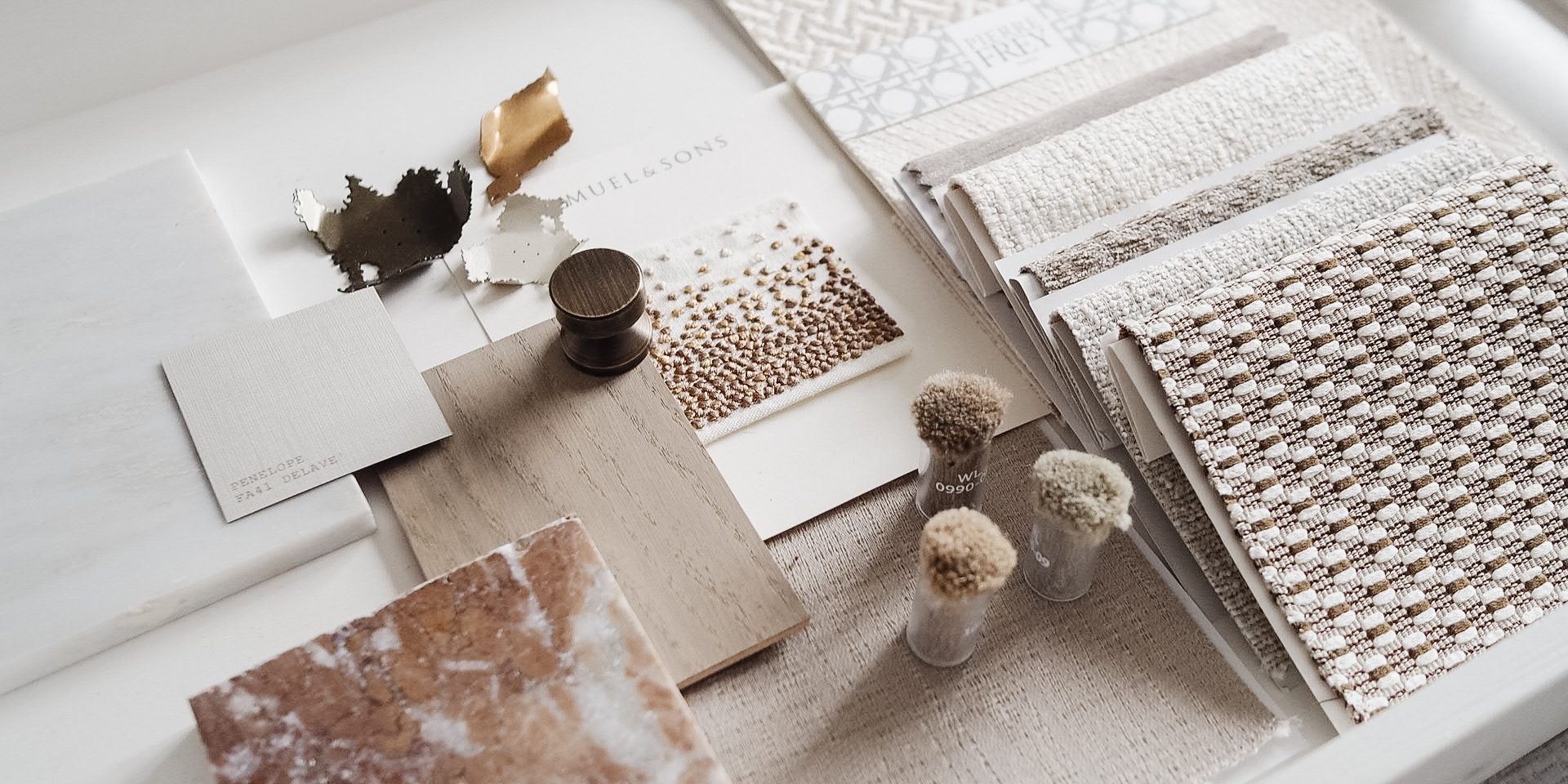
A floor sample, a fabric and a metal finish each tell only part of the story. The designer considers their relationships, their setting and the way they will be experienced together.
A consistent direction can allow varied rooms to belong to the same home without repeating an identical scheme throughout.
Practical requirements matter alongside appearance. Discussing comfort, upkeep and intended use helps assess whether a beautiful selection is appropriate for its place in the house.
05 / Allocating the investment
Helping You Decide Where to Invest
A thoughtful scheme needs priorities. The principal sofa may deserve particular attention for its comfort, while an existing dining table may remain central to the new interior.
The designer can help explore alternatives against the brief and purchasing allowance. That discussion considers the contribution of each item to the wider scheme.
Design does not guarantee savings. Its contribution is to make choices more informed and to make the implications of changes easier to understand.
At Kings Interiors, furniture and furnishings are always separate from the professional design fee. The proposal explains procurement arrangements, while approved purchases require their own budget.
Read our guide to interior design costs for a fuller explanation of these categories.
06 / Working with your appointed team
Maintaining the Interior Direction Through Collaboration
During a renovation, the team may need to revisit a detail because of site conditions, availability or a revised requirement. Interior input helps assess how an alternative relates to the agreed scheme.
The designer’s role is to communicate the relevant interior requirements and contribute within the scope of the appointment. Structural, technical and construction responsibilities remain with the appropriately appointed professionals and contractors.
Clear boundaries make collaboration more effective. Everyone should understand who provides information, who approves a change and who is responsible for carrying it out.
For the sequence of appointments and decisions, explore our renovation planning guide .
07 / Bringing the scheme together
Carrying the Vision Through to the Finished Rooms
Where procurement and installation form part of the commission, the studio’s involvement continues beyond the selection of products.
Approved furnishings need to be ordered, tracked and brought into rooms that are ready to receive them. The agreed service can connect those practical arrangements with the intended composition of the interior.
Placement and finishing decisions then bring scale, comfort and personal possessions into the completed spaces. A room can feel very different once its lighting, textiles and furniture are experienced together.
The extent of procurement, delivery coordination, installation and final styling should be defined in the appointment, with supplier and fitting charges clearly identified.
Practical questions
Is Interior Design Right for Your Renovation?
Do I need an interior designer if I already have an architect?
Yes — an architect and an interior designer bring complementary expertise to your renovation. The architect develops the building and its architectural proposals, while the interior designer focuses on how the rooms function and feel, from furniture layouts and lighting to materials, joinery, textiles and furnishings.
Working together from an early stage allows the architecture and interiors to develop as one considered home, with their respective responsibilities agreed at the outset.
Can a designer work with my existing furniture and personal style?
Your possessions and preferences should inform the brief. Share the pieces you wish to retain so that their dimensions, condition and relationship to the proposed rooms can be considered.
Will hiring an interior designer save money?
Savings should not be assumed. The service provides professional input, defined information and support with decisions; its suitability should be assessed against your project requirements, the proposed scope and the fee involved.
Will the design increase my property’s resale value?
No particular financial return should be promised. The design brief should first address the quality, functionality and suitability of the home for your intended use.
Does the studio manage the building contractor?
Interior design coordination does not automatically include construction management or contract administration. Your appointments should establish who carries out each role.
Can an interior designer help if the renovation has already started?
The available scope depends on which decisions and works are already committed. Share the current drawings, programme and outstanding requirements so the studio can assess where its involvement would be useful.
Kings Interiors / Private residences
An Interior Developed Around Your Home and Your Life.
A renovation brings the opportunity to reconsider how the house serves you. Interior design connects that ambition with the arrangements, materials and furnishings you experience each day.
Kings Interiors develops residential interiors through a project-specific appointment, working alongside your wider team where required.
Explore our full-service interior design approach to learn about the services that can form part of your commission.
To discuss your renovation, tell us about your home , the stage of the project and the support you are looking for.