Bespoke new homes / Planning the interiors
Think About Living in the Home While You Are Still Designing It.
Building a bespoke home gives you the opportunity to shape the rooms around your life. Making the most of that opportunity means considering the interiors while important decisions remain open.
The position of a bed can influence lighting and switches. A curtain scheme can affect ceiling details. A collection of books may shape the cabinetry and the atmosphere of an entire room.
These ten mistakes concern the connections that are easy to overlook when architecture, technical requirements and furnishing decisions develop at different speeds.
01 / The brief
Beginning With Room Names Rather Than Daily Life
A schedule of rooms establishes what the house contains. It does not explain how those spaces should support the household.
Describe the routines behind the brief. Consider where you arrive with shopping, how guests gather, where children spend time and what you need when working from home.
Share the practical frustrations of your current home as well as the things you enjoy. These observations help the team assess proposals against real needs.
02 / The design team
Leaving Interior Input Until Decisions Are Fixed
If the interior brief is developed only after layouts and services are committed, some useful options may already be constrained.
Involve the interior designer while the architect is developing the proposals. Together, they can consider the building and the experience of its rooms, with responsibilities agreed from the outset.
Your interior designer brings dedicated attention to furniture, finishes, lighting requirements and the details of everyday use.
03 / Furniture layouts
Approving Rooms Without Testing the Furniture
An empty plan can suggest more flexibility than a furnished room actually offers. Draw the principal pieces to scale before relying on the arrangement.
Test seating groups, dining chairs, bedside furniture and circulation. Check the relationship between furniture, doors, glazing and the views you want to enjoy.
Include the pieces you intend to retain. Their dimensions are part of the brief, even before new furnishings are selected.
04 / Lighting and power
Positioning Services Without Considering Their Use
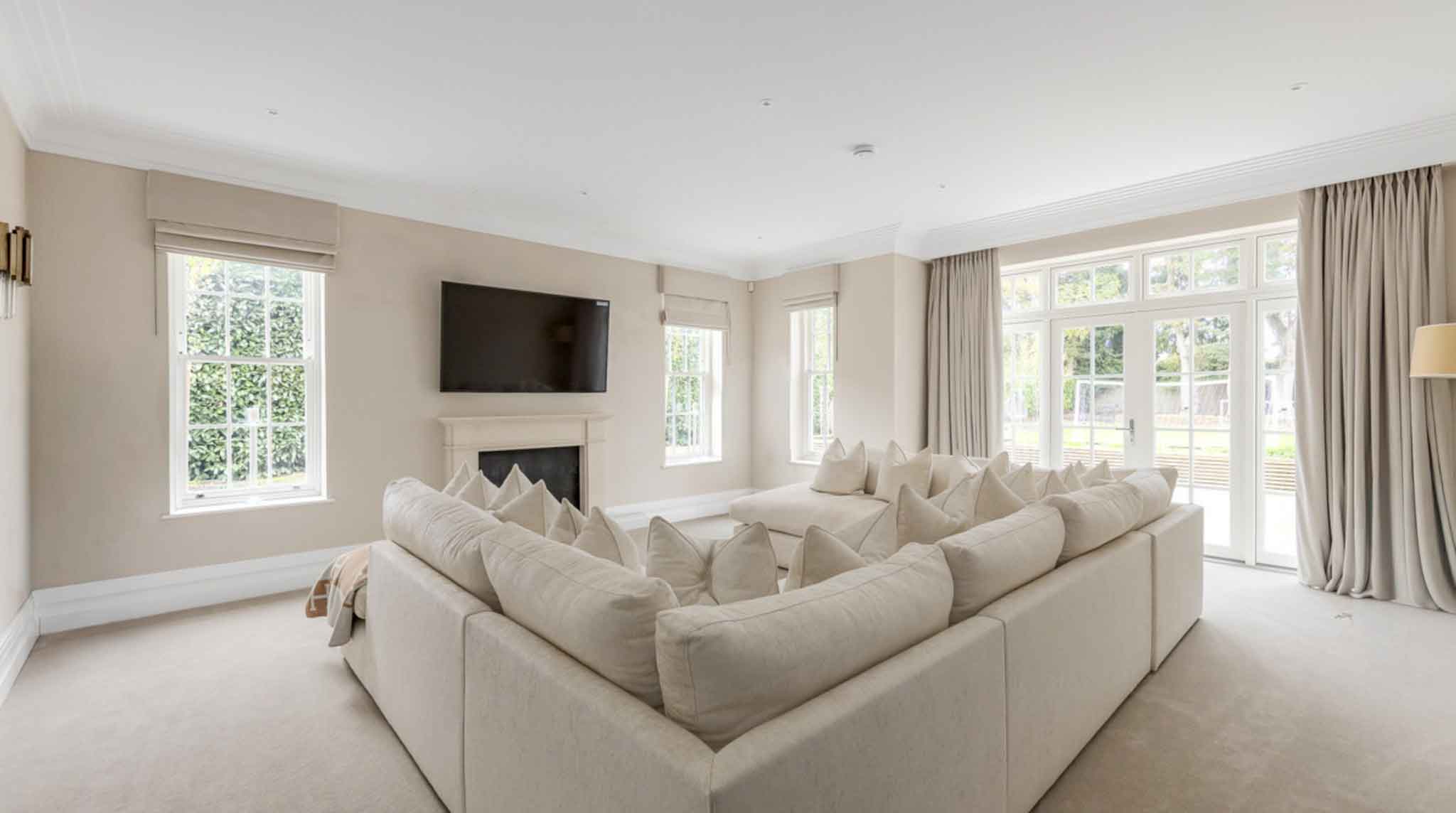
Discuss lighting and power alongside the activities and furniture planned for each space. Reading, preparing food and entertaining ask different things of a room.
Consider where lamps will stand, how a bedside light will be operated and whether a desk needs discreet connections. Coordinate the requirements with the appropriate specialists.
Review the evening experience as carefully as the daytime appearance. The aim is a comfortable range of lighting options suited to the room.
05 / Storage requirements
Drawing Cabinetry Before Understanding Its Contents
An attractive cabinet front does not establish whether the storage behind it is useful. Begin with the items it needs to accommodate.
Consider clothing, luggage, books, household equipment and the possessions that currently lack a home. Particular pieces may require specific dimensions or access arrangements.
Where cabinetry incorporates equipment, coordinate the relevant technical and maintenance requirements with its suppliers before details are approved.
06 / Glazing and privacy
Leaving Window Treatments Until the End
Consider privacy, daylight and the desired atmosphere while the rooms are being developed. Different spaces may need different responses.
Curtains and blinds need space for their tracks, fittings and operation. Tall glazing, adjacent cabinetry and ceiling details should be reviewed together.
Where motorised treatments are proposed, agree the requirements with the relevant suppliers and technical team before the associated work is completed.
07 / The material palette
Choosing Every Finish in Isolation
Individual selections can be appealing yet feel unrelated when brought into the same space. Review the principal materials together rather than approving each separately.
Consider how flooring relates to cabinetry, how metal finishes sit alongside lighting and how textiles soften the architectural elements.
Assess samples in the intended setting where practical. Discuss upkeep and suitability alongside colour, texture and appearance.
08 / The complete budget
Budgeting for Construction Without the Finished Interior
Identify the allowances needed beyond the building work: professional services, fitted elements, furniture, curtains, rugs, decorative lighting and installation.
At Kings Interiors, furniture and furnishings are always separate from the professional design fee. Procurement arrangements are explained in the proposal.
Keep VAT treatment, provisional allowances and payment dates clear. Our interior design cost guide explains the different budget categories.
09 / Decisions and orders
Assuming Everything Can Be Chosen Later
A selection may be needed long before the item appears in the finished room. Its dimensions, installation requirements or production lead time may affect other work.
Agree a decision schedule with the team and keep track of the information needed to approve each item. Confirm supplier lead times before relying on a delivery date.
If a choice changes, establish the implications for related details, orders and the programme before proceeding.
10 / Moving into the home
Treating Furnishing Installation as Moving Day
Bringing a complete interior into the property needs its own practical plan. Confirm access, room readiness and the sequence of deliveries with the relevant team members.
Allow for specialist handling, furniture assembly, curtain fitting and placement. Agree how unfinished work or outstanding items will be recorded and followed up.
Giving this stage proper attention helps turn approved selections into rooms that are ready to use and enjoy.
Practical questions
Before You Begin Your New Home
Do I need an interior designer if I already have an architect?
Yes — they bring complementary expertise. The architect develops the building and its architectural proposals, while the interior designer focuses on how the rooms function and feel, including furniture, materials, lighting and furnishing details.
Working together allows the architecture and interiors to develop as one considered home, with respective responsibilities agreed at the outset.
When should I involve the interior designer?
Ideally, while the architectural proposals are still being developed. This creates an opportunity to consider interior requirements before related layouts and services are committed.
Does every finish need to be selected before construction?
Not every choice has the same deadline. Agree which specifications, dimensions and supplier details are required for each stage so decisions can be made in a useful sequence.
Can existing furniture be included in a new-build scheme?
Yes. Share photographs and dimensions early so that retained pieces can inform the layouts and the wider scheme. Any restoration or reupholstery requirements can also be considered.
Does the design fee include furniture?
No. At Kings Interiors, furniture and furnishings are always purchased separately from the professional design fee. Procurement charges and purchasing arrangements are explained in your proposal.
Can you help if construction is already underway?
The available scope depends on the decisions and work already committed. Share the current plans, programme and outstanding requirements so the studio can assess where its involvement would be useful.
Kings Interiors / Bespoke residences
Plan the Home You Want to Live In.
The opportunity of a bespoke new home lies in the relationship between the building and your life within it. Considering the interiors early gives that relationship room to develop.
Kings Interiors works with private clients and their appointed teams on considered residential interiors, with services defined around each commission.
Explore our full-service interior design approach to learn how planning, detailing and furnishing can come together.
To discuss your new home, tell us about your plans , your intended timing and the stage you have reached.