Heritage & contemporary living
A sense of history. A home for today.
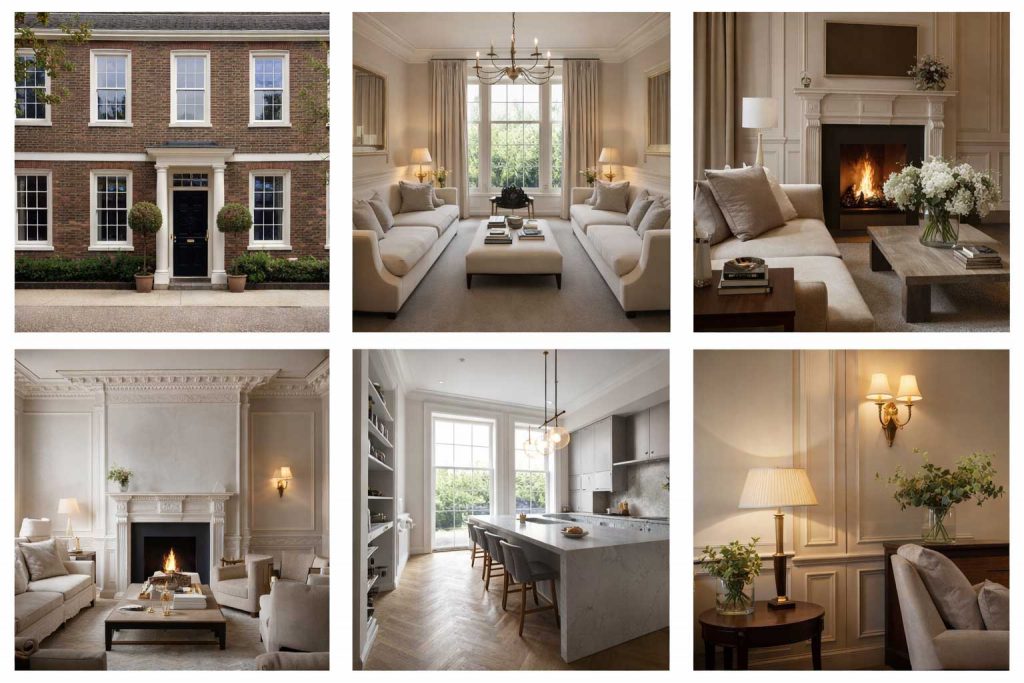
There is something particularly compelling about a period home. Its proportions, craftsmanship and architectural details tell a story that cannot easily be recreated within a new building. These qualities give the interior a natural depth and character before a single piece of furniture has been chosen.
Designing such a home calls for a thoughtful balance between preserving its distinctive qualities and making it comfortable for contemporary life. The intention should never be to recreate a historical interior exactly as it might once have appeared, nor to erase its past in pursuit of something modern.
Instead, successful interior design allows a period house to evolve. Carefully selected furniture, refined materials, sympathetic architectural detailing and contemporary comforts can work together to create a home that feels established, welcoming and entirely personal.
01 / Understanding the building
Begin With What Makes the House Special
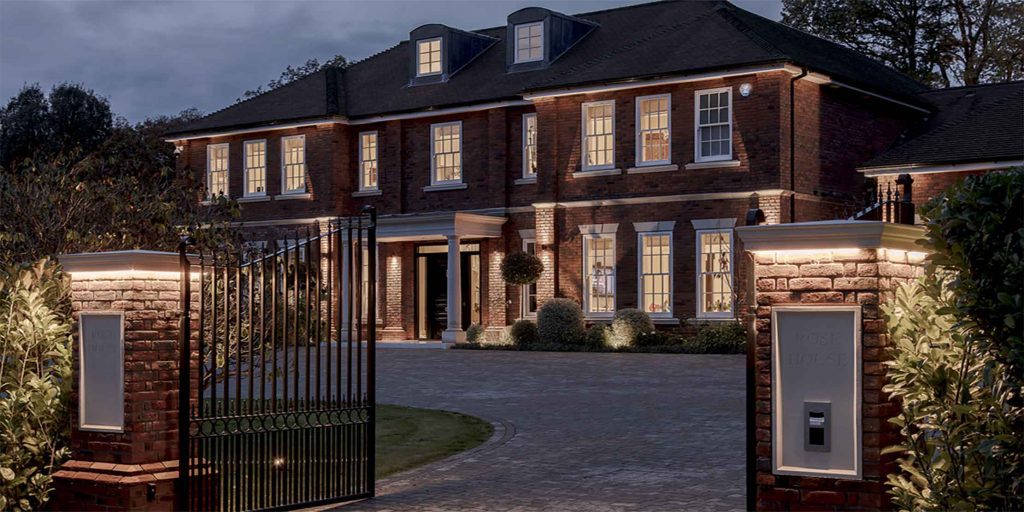
Every period property has an individual architectural character. Georgian homes are often admired for their symmetry and generous proportions, while Victorian and Edwardian houses may introduce decorative plasterwork, bay windows, richly detailed joinery and more varied layouts.
These differences should influence the design direction from the outset. A beautifully proportioned fireplace may provide the natural centre of a room. Original doors and mouldings can establish the scale for new joinery, while historic floorboards or decorative tiles may become important elements of the material palette.
It is worth spending time understanding which features are original, which have been introduced later and where previous alterations may have changed the building's character.
Rather than decorating around these details, a considered interior design scheme allows them to guide the composition of the room.

02 / Living with the architecture
Furniture Should Respond to the Proportions of the Room
Period rooms often possess beautiful proportions, but they do not always accommodate contemporary furniture in the way we might initially expect. A generous drawing room can feel surprisingly impersonal if its furniture is too small or arranged too far apart.
Equally, a more intimate Victorian sitting room may become uncomfortable when filled with oversized upholstery or too many individual pieces. Successful furniture planning considers the ceiling height, window positions, fireplaces and circulation routes before determining the arrangement.
In a larger room, two beautifully balanced seating groups may create a more natural atmosphere than one expansive arrangement. Smaller rooms often benefit from fewer pieces of carefully chosen furniture, leaving space for the architecture to breathe.
Antiques and contemporary furnishings can also sit comfortably together. A traditional console might be paired with a sculptural lamp, while an elegant modern sofa can feel entirely appropriate beneath original cornicing.
The important relationship is not between old and new as separate styles, but between the scale, materials and character of each element.

03 / Colour and atmosphere
Choosing Materials That Feel as Though They Belong
A period interior does not need to rely entirely on traditional colours or decorative finishes. The most successful palettes respond to the natural light, proportions and material character of the property.
Soft stone tones, warm neutrals and muted greens can create a gentle relationship with historic detailing. Deeper colours may work beautifully in smaller rooms, libraries or intimate sitting spaces, introducing atmosphere without diminishing the architecture.
Texture is equally important. Natural timber, wool, linen, velvet and stone bring a tactile richness that complements older buildings. Their subtle variations create depth without requiring an abundance of decorative elements.
The aim is a palette that feels harmonious with the building while leaving room for the individuality of the people who live there.
04 / New details, old character
Bespoke Joinery With Architectural Sensitivity
One of the advantages of bespoke interior design is the opportunity to introduce contemporary functionality without disturbing the character of an older building.
Carefully proportioned cabinetry can provide storage in rooms where standard furniture would feel awkward or visually intrusive. Fitted shelving, dressing-room cabinetry and discreetly integrated storage can be developed around existing openings and architectural details.
In a period property, the design of new joinery should respond to its surroundings. The profile of a door, the proportions of wall panelling and the relationship between cabinetry and cornicing all influence whether the finished work feels sympathetic.
This does not always mean reproducing historical details precisely. Sometimes a restrained, contemporary interpretation provides a beautiful contrast while preserving the room's original architectural language.
Our guide to bespoke joinery in luxury interior design explores the role of individually designed cabinetry and architectural detailing in greater depth.

05 / Light and atmosphere
A Gentle Approach to Modern Lighting
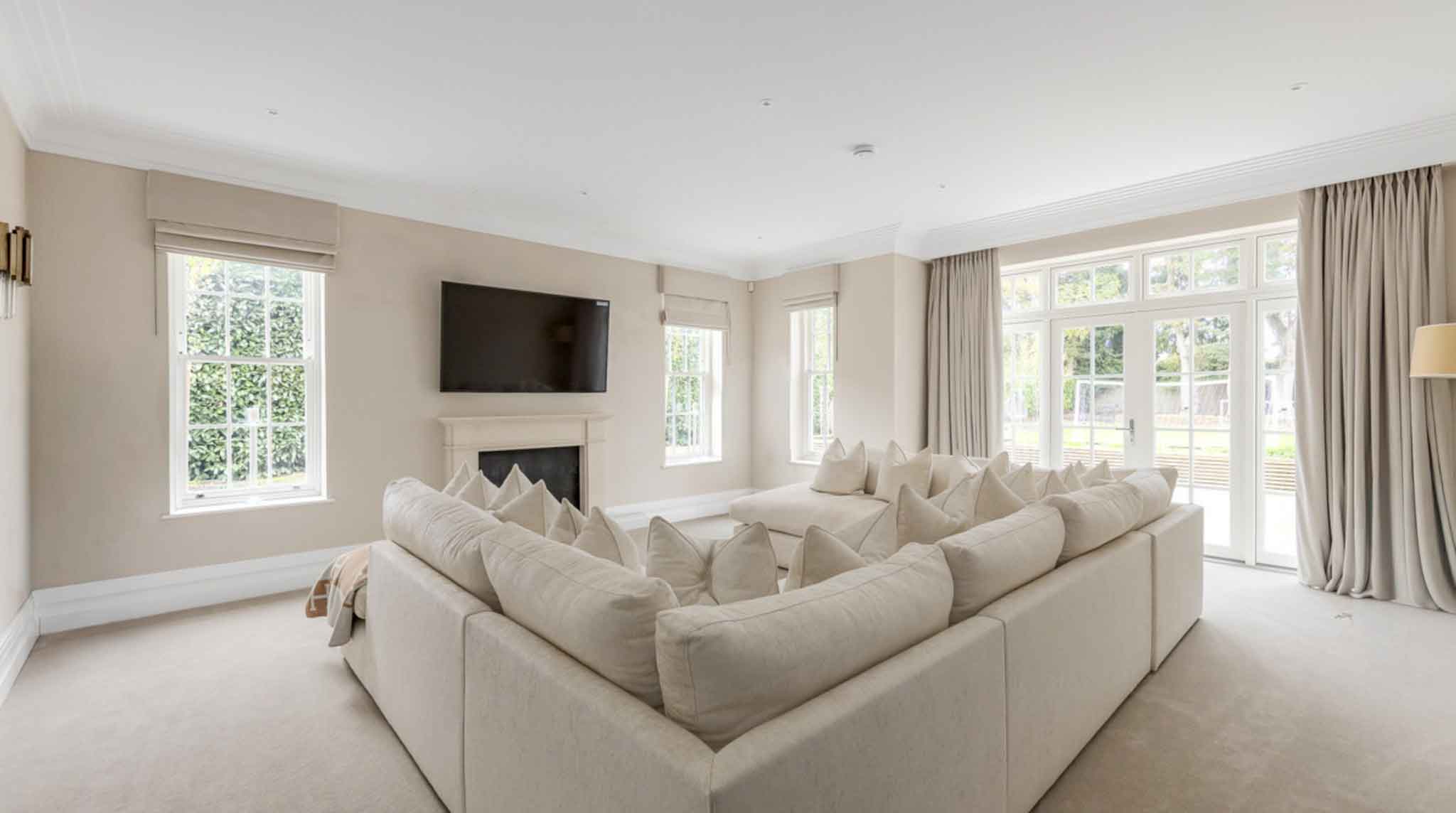
Lighting can transform the atmosphere of a period home, particularly in rooms where natural light changes considerably throughout the day.
Historic properties were not originally designed around the range of lighting available today. Introducing modern illumination therefore requires sensitivity towards original ceilings, plasterwork, wall finishes and decorative features.
A layered approach often produces the most inviting result. Table lamps and floor lamps create soft pools of light, while carefully positioned wall lights can bring warmth to architectural surfaces.
Decorative fittings should be considered in relation to the room's proportions. A chandelier may complement a generous drawing room, while a quieter contemporary fitting could be more appropriate in a smaller and less formal space.
Where architectural lighting is introduced, it should be coordinated with the relevant specialists so that modern requirements do not unnecessarily compromise significant historic details.
06 / A home for modern life
Introducing Comfort Without Losing Character
A period property may have been designed around a very different way of life, but its original layout can still offer considerable value to a modern household. Separate reception rooms, intimate sitting areas and generously proportioned bedrooms create opportunities for both sociable living and private retreat.
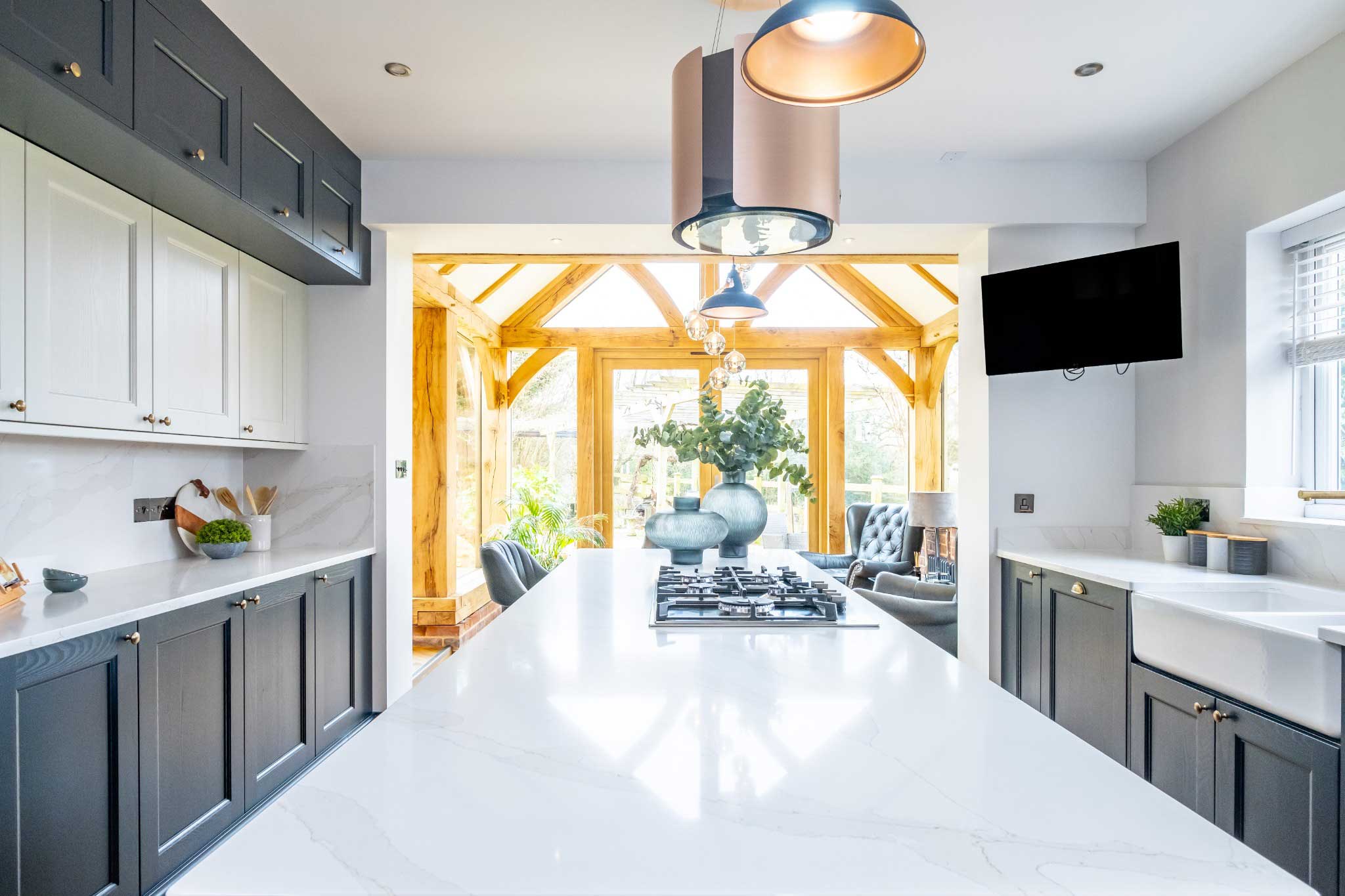
The challenge is to introduce the functionality expected today without making unnecessary changes to the architectural arrangement. Thoughtful storage, comfortable furniture, well-planned kitchens and carefully considered bathrooms can transform the experience of a home.
Where better connections between rooms are needed, these should be developed in response to the building. Not every wall needs to disappear, and not every room benefits from complete openness.
Our separate guide to open-plan living in period homes considers how traditional layouts can be adapted while retaining their architectural character.
In properties requiring more extensive work, understanding the building's condition and conservation requirements is equally important. Our article on renovating a period property explores the planning considerations involved before substantial alterations begin.
07 / A collected interior
Making Space for Art, Antiques and Personal Collections
A beautifully considered period interior should feel as though it has developed naturally over time, rather than been assembled to recreate a particular historical moment.
Antiques, contemporary artwork, collected objects and inherited furnishings can bring character and individuality to an older home. Their different histories often create some of the most interesting relationships within a room.
A contemporary painting may sit beautifully above a traditional fireplace, while a carefully chosen antique chest can introduce depth to an otherwise restrained interior.
These contrasts are most successful when the proportions and materials remain thoughtfully balanced. The intention is not to fill the home with decorative objects, but to allow meaningful pieces to contribute to its evolving story.
This is what makes a period house particularly rewarding to design. Its history provides the foundation, while the people who inhabit it give the interior its continuing life.
The Kings Interiors approach
A Thoughtful Relationship Between Past and Present
Interior design for period homes is an exercise in understanding what already exists and recognising where carefully considered additions can improve the experience of living within it.
Architectural character, beautiful proportions and original craftsmanship provide an extraordinary starting point. Furniture, lighting, materials and bespoke detailing can then create a coherent interior that feels both enduring and comfortable.
At Kings Interiors, we approach residential design with an appreciation for the individual qualities of each home. Our work brings together spatial planning, material selection, refined furnishings and carefully developed details.
Based in Berkshire, our studio works with private clients across Buckinghamshire, Oxfordshire, Surrey, Hampshire, London and the wider South of England.
For homeowners planning a substantial renovation or complete interior transformation, our full-service interior design approach explains how we develop considered residential interiors from the early design stages through to final furnishing.